A lifetime of art,
inspiring what comes next.
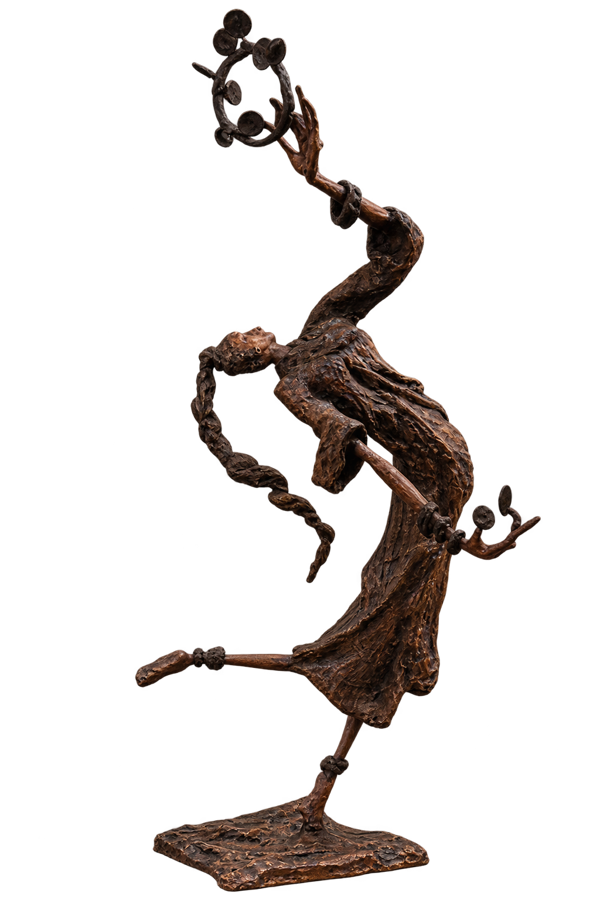
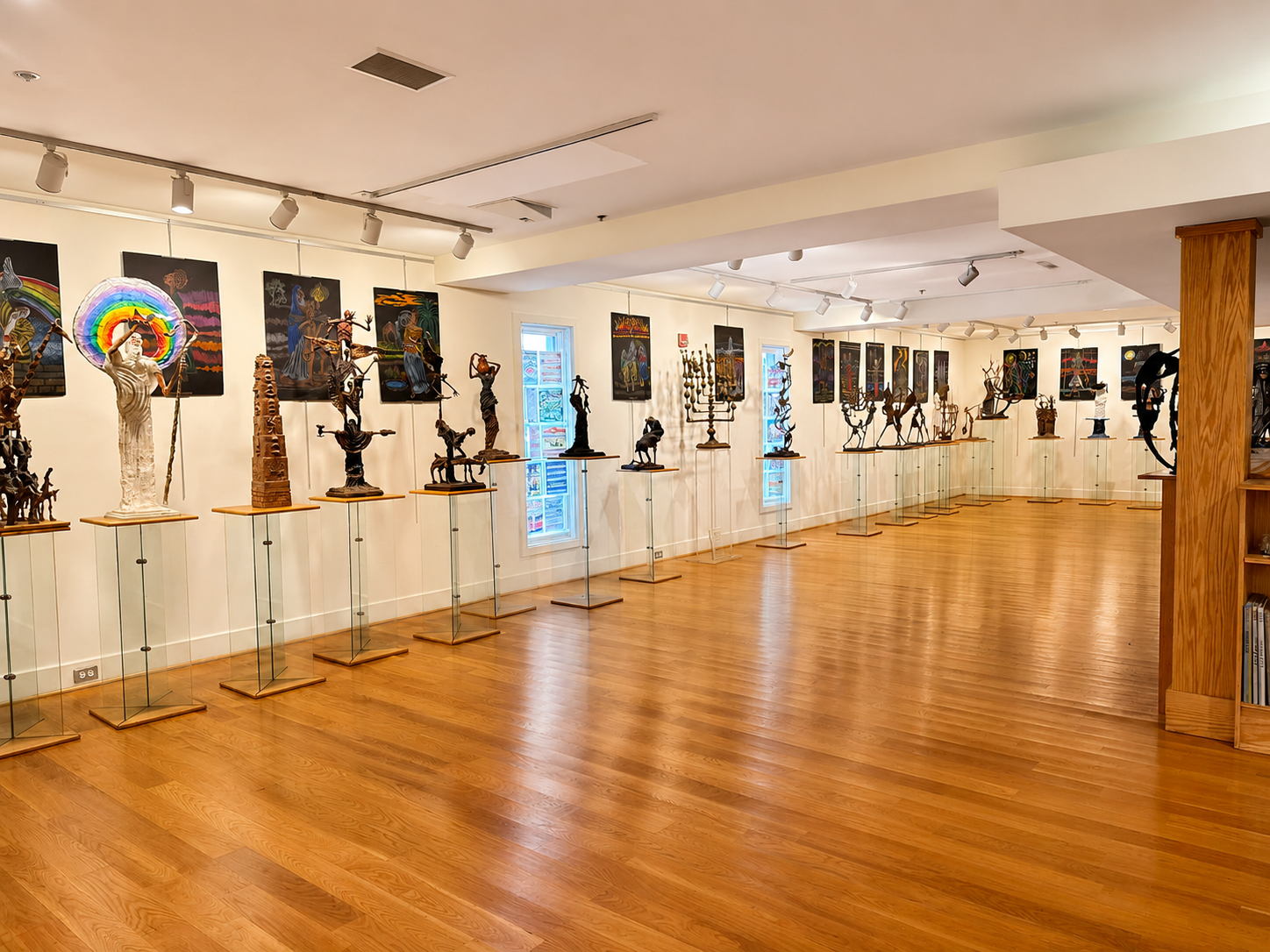
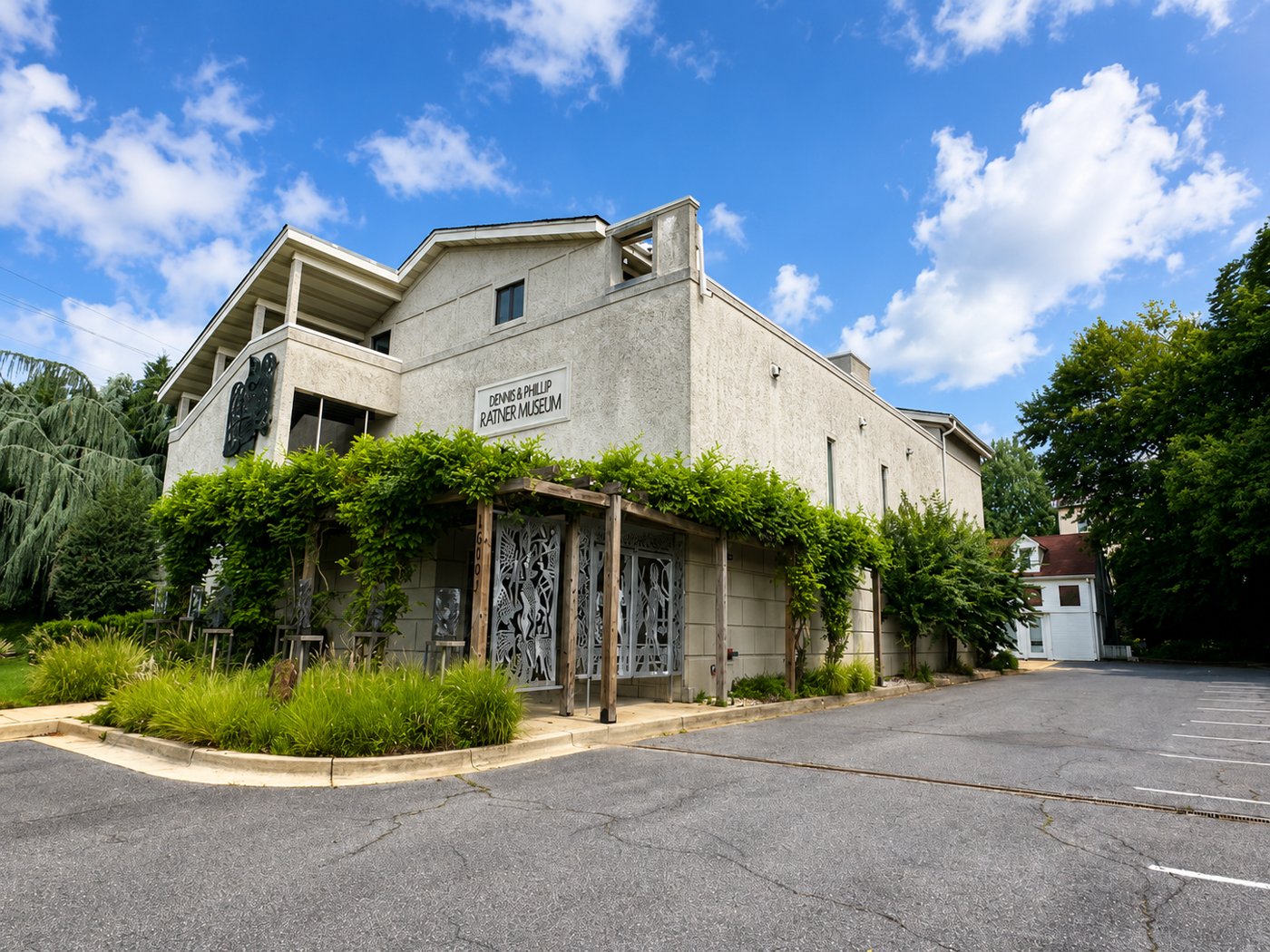
The Ratner Museum is the permanent home of Phillip Ratner's life's work, the collection of a sculptor, painter, and storyteller whose art spans continents, institutions, and generations.
Phillip Ratner
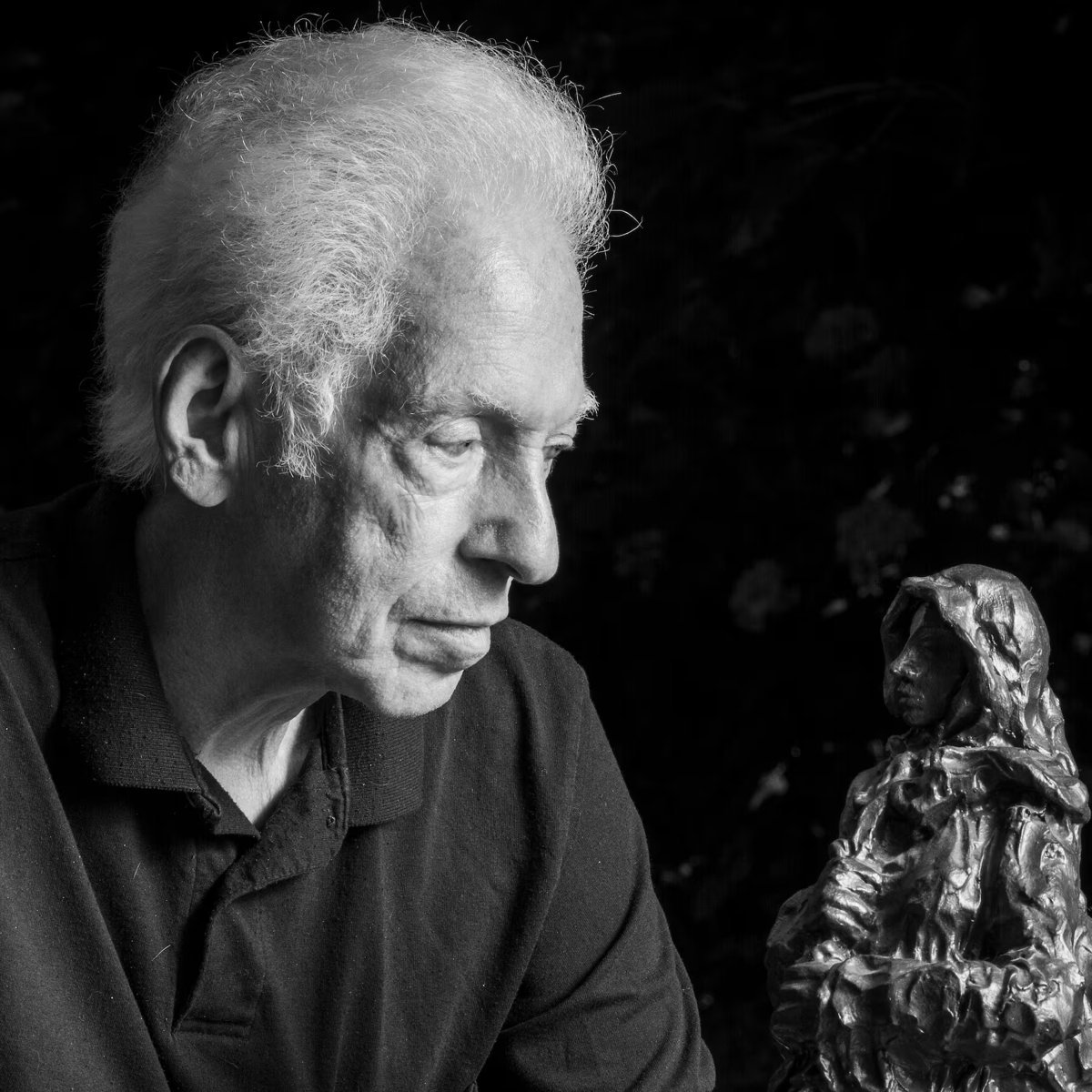
A graduate of the Pratt Institute and American University, Phillip began his career as an educator, teaching at Anacostia High School in Washington, D.C. and the Charles E. Smith Jewish Day School, before dedicating himself fully to his artistic practice. His works have been exhibited and collected by major institutions, including the Smithsonian, the United States Supreme Court, the Library of Congress, and the Vatican.
Perhaps most widely recognized are his works connected to Ellis Island and his bronze sculptures at the Statue of Liberty, where his deeply personal connection to the immigrant experience, shared by his own family, is a theme carried through much of his work.
Dennis Ratner
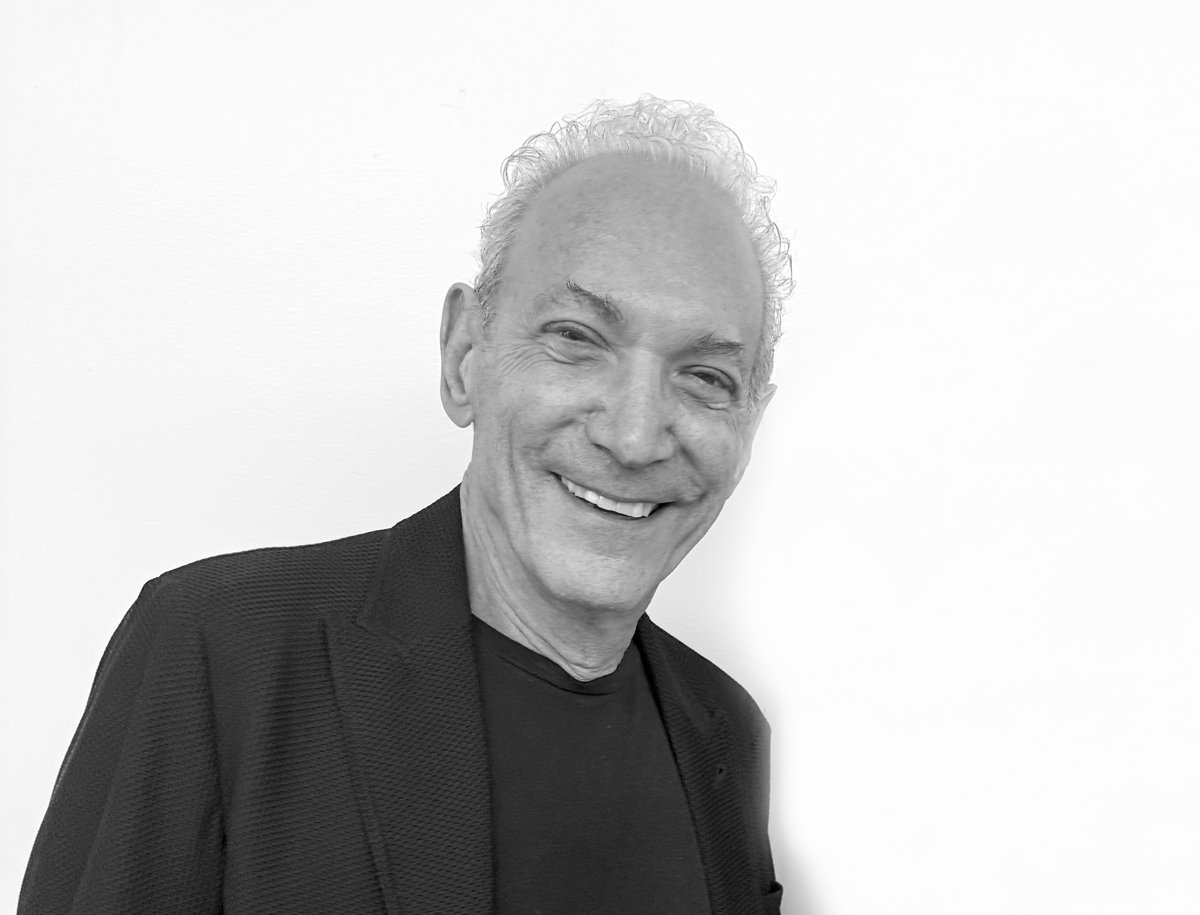
The museum was founded in collaboration with his cousin, Dennis Ratner. Over a career spanning more than 60 years, Dennis has been recognized as a dynamic entrepreneur and inspiring leader, building the largest privately owned hair salon chain in the United States. Equally notable is his longstanding commitment to philanthropy, with a focus on supporting cultural institutions, education, and community-based initiatives.
As third-generation Washingtonians, Phillip and Dennis come from a family deeply rooted in music and the arts in Washington, with relatives among the founding members of the National Symphony Orchestra.
The Museum Today
Carrying the vision forward.
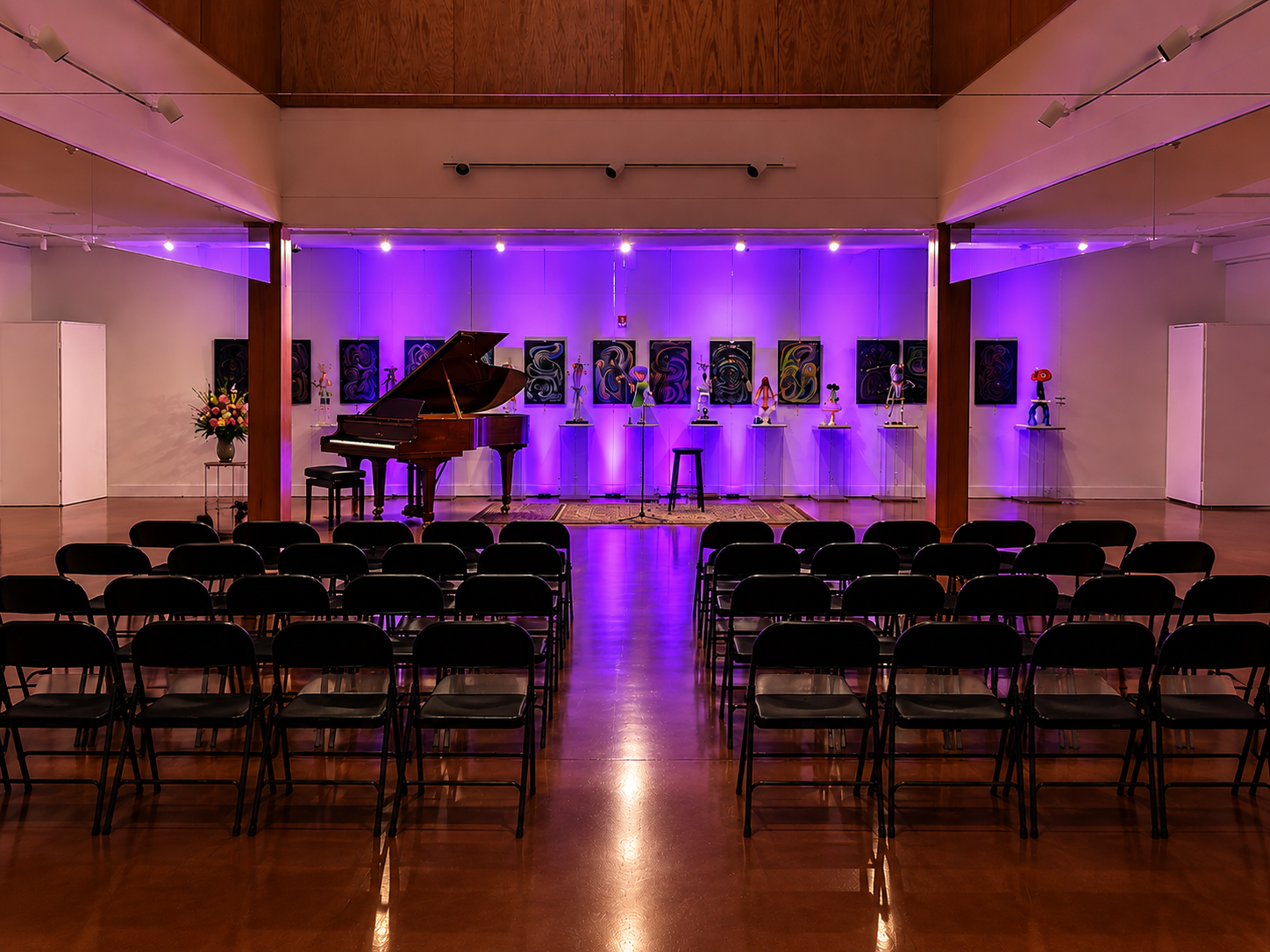
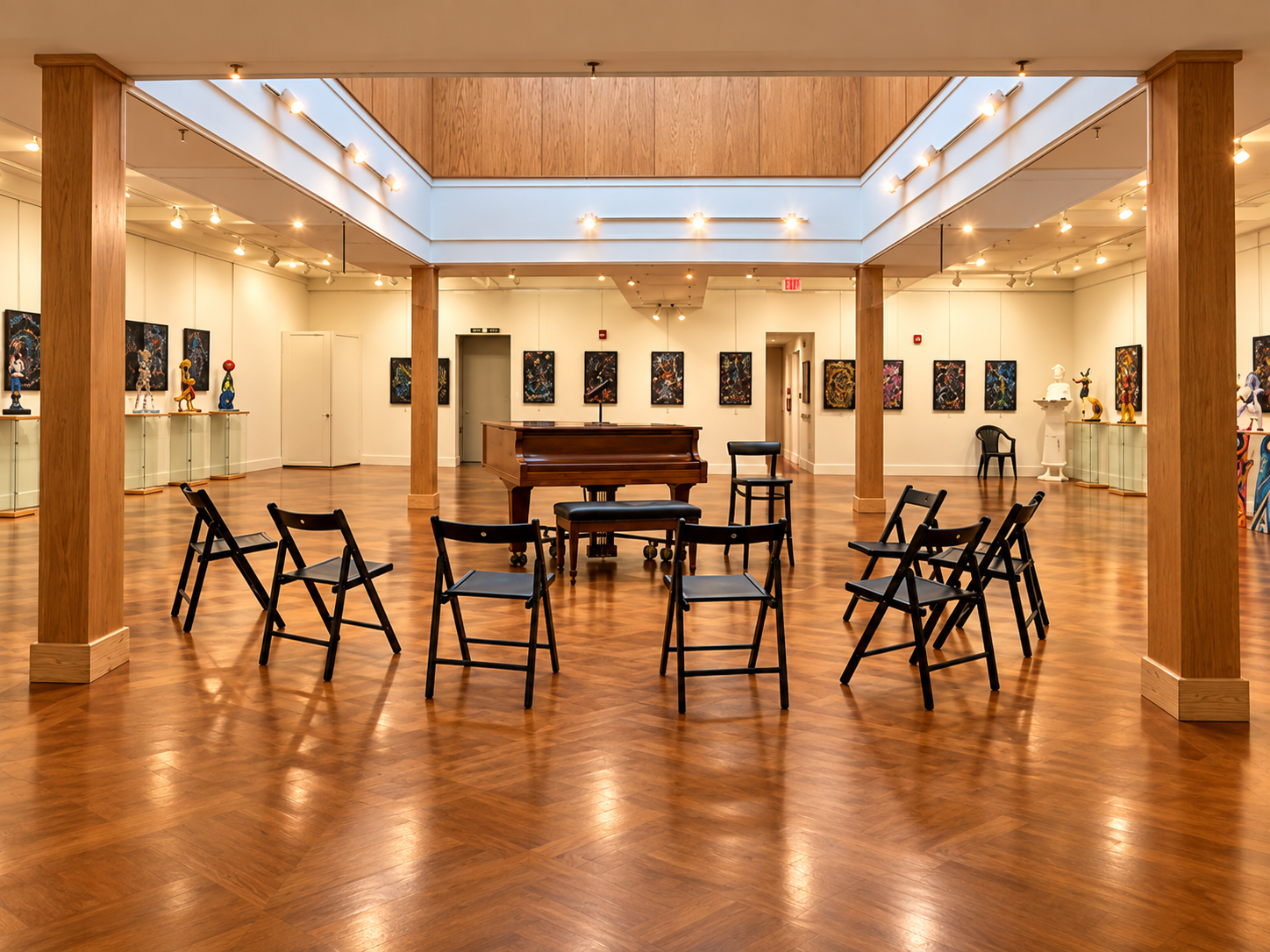
Building on its artistic legacy, the Ratner Museum continues to evolve as a place for art, creativity, and connection.
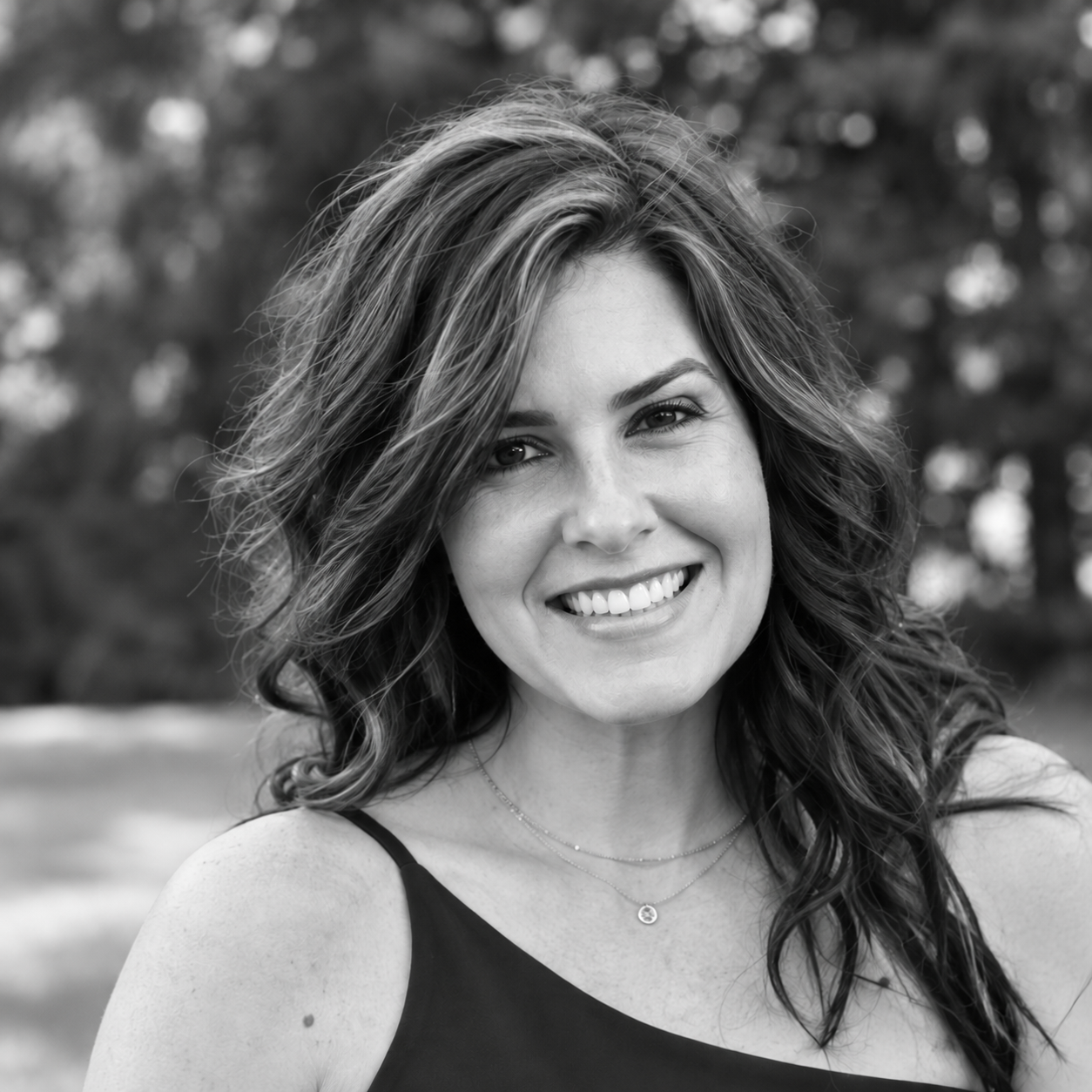
Nadia Ratner
Executive Director
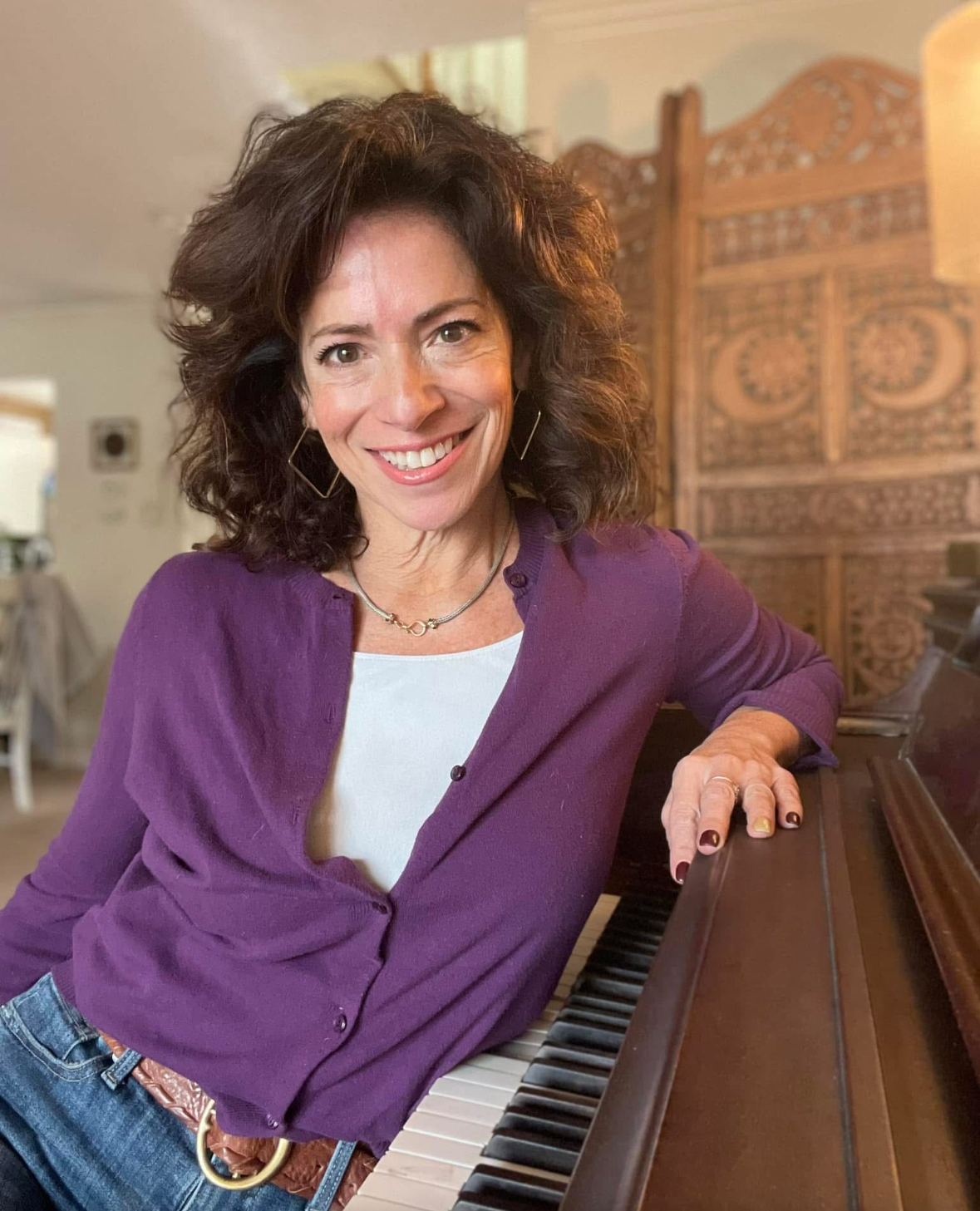
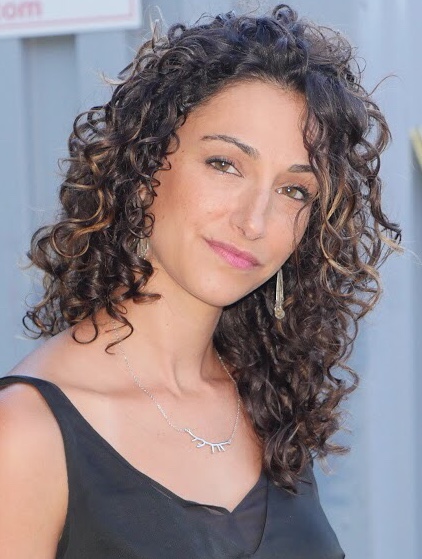
Nadia leads the Ratner Museum, overseeing its vision, programming, partnerships, and growth while carrying forward Phillip Ratner’s artistic legacy.
With a background in design and creative strategy, including her work as Co-Founder of House Studios, Nadia has built her career around storytelling and creating meaningful experiences that bring people together. At the Museum, she is focused on building connections among artists, musicians, educators, and cultural partners while creating new opportunities for people to experience art, culture, and community.